Metal Roofs & Nova Scotia Winters: Snow, Ice Dams & What Really Matters
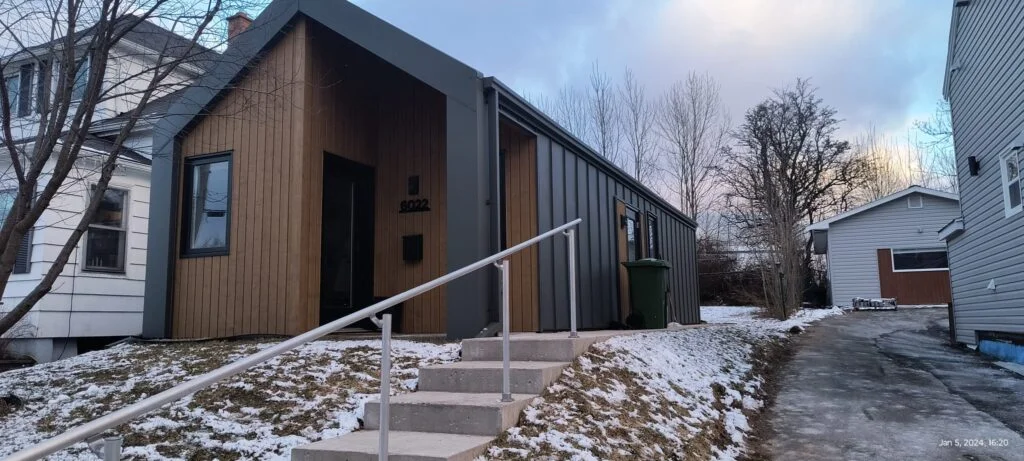
Metal Roofs & Nova Scotia Winters: Snow, Ice Dams & What Really Matters
Wet snow, freeze-thaw nights and ice along the eaves — here’s what our winters actually do to a roof, where metal helps, and what to check before the first big storm.
In Halifax, snow can show up from mid-November and hang around until late April. January days often climb just above 0 °C and drop to around −7 °C at night. That daily melt-and-freeze — not the cold itself — is what finds every weak spot in a roof.
If you’re thinking about a metal roof, or you already have one, this is the practical version: what winter does to a roof, how metal handles it, what it can’t fix on its own, and a quick check you can do before the snow.
What a Nova Scotia winter does to a roof
Four things cause most of the winter calls we get.
- Freeze-thaw cycles. Water gets into small gaps during the day, freezes at night and opens them a little wider each time.
- Heavy, wet snow. Coastal snow is often wet and dense, so a roof that holds it carries a lot of weight for days.
- Wind-driven rain and sleet. Storms push water sideways — under lifted shingles and around chimneys, vents and skylights.
- Ice dams. A ridge of ice along the eaves that traps meltwater behind it. This one deserves its own section.
Ice dams: the real cause — and where metal helps
An ice dam starts inside the house. Warm air leaks into the attic and heats the roof deck, so snow on the upper roof melts. The water runs down to the eaves, which sit over the cold overhang, and freezes there. Each melt adds to the ridge of ice, and the water behind it backs up under the roofing. That’s why the National Building Code calls for eave protection where ice dams are likely.
✓ What a metal roof helps with
- Snow slides off a smooth, non-porous surface, often before it can melt and refreeze
- Less snow on the roof means less material for an ice dam and less weight
- Interlocking panels don’t curl, crack or lift the way old shingles do
- A waterproof membrane at the eaves and valleys adds a second line of defence
✕ What it can’t fix on its own
- Warm air leaking from the living space into the attic
- Missing or thin attic insulation
- Blocked soffit vents or no ridge ventilation
- Clogged gutters that hold water and ice at the edge
When we quote a roof, we look at the attic too. If insulation or ventilation is the real problem, we’ll tell you before you spend money on the roof.
Snow shedding — and why snow guards matter
Shedding snow is one of the best things about a metal roof. It’s also the thing to plan for. A whole slope of wet snow can let go at once and land on whatever is below: a front step, a walkway, a car, a deck, a lower roof or your gutters.
Snow guards (also called snow stops) are small brackets or rails that hold snow on the roof so it melts off gradually instead of sliding in one sheet. They don’t prevent ice dams — their job is protecting people and property below. We usually recommend them:
- Above entrances, steps and walkways
- Above driveways and parking spots
- Where an upper roof sheds onto a lower roof, porch or deck
- Above gutters on long, steep slopes
Can you install a metal roof in winter?
Yes — on dry, safe days. Metal panels themselves don’t mind the cold. What matters is the weather on the day: we don’t work on snow, ice or in high wind, and we open only as much of the roof as we can close and make watertight the same day. Self-adhering membranes have minimum application temperatures set by the manufacturer, so we plan those steps for the warmer part of the day.
If your roof is leaking now, or you saw ice dams last winter, you don’t have to wait for spring to start. We can inspect, measure and quote in winter, and schedule the install for the next good weather window.
Before the snow: a 10‑minute roof check
You can do all of this from the ground and from inside. Please don’t climb onto a roof in winter.
Look at the roof from the ground
Missing, lifted or curled shingles, loose flashing, or dark patches are worth a closer look before winter.
Clear the gutters and downspouts
Leaves left in the gutter freeze into a dam of their own. Make sure downspouts drain away from the house. Gutter cleaning
Check the attic on a cold day
Frost on the underside of the roof, damp insulation, rusty nail tips or water stains point to warm, moist air getting into the attic.
Look around chimneys, vents and skylights
Stains on ceilings or walls near these spots usually mean the flashing needs attention.
Remember last winter’s icicles
Big icicles and ice along the eaves are a sign of heat loss into the attic — the starting point for ice dams.
Trim overhanging branches
Branches loaded with snow and ice can break and damage the roof or gutters in a storm.
Which metal roof handles snow best?
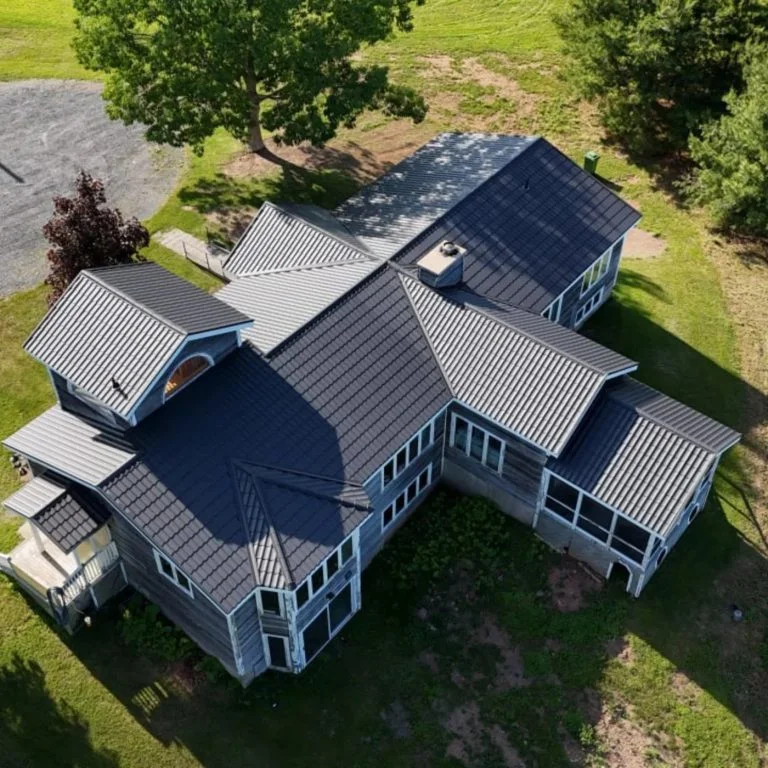
Standing seam has smooth panels with raised seams and no exposed screws, so snow slides off fastest and water has fewer places to get in. It’s a strong choice for steep roofs and areas with a lot of snow — just plan snow guards where the snow will land.
Metal tile looks like traditional tile or shingles. Its profile holds snow a little longer than flat panels, which many homeowners like over entrances. It sheds well, keeps a classic look, and is light compared with clay or concrete tile.
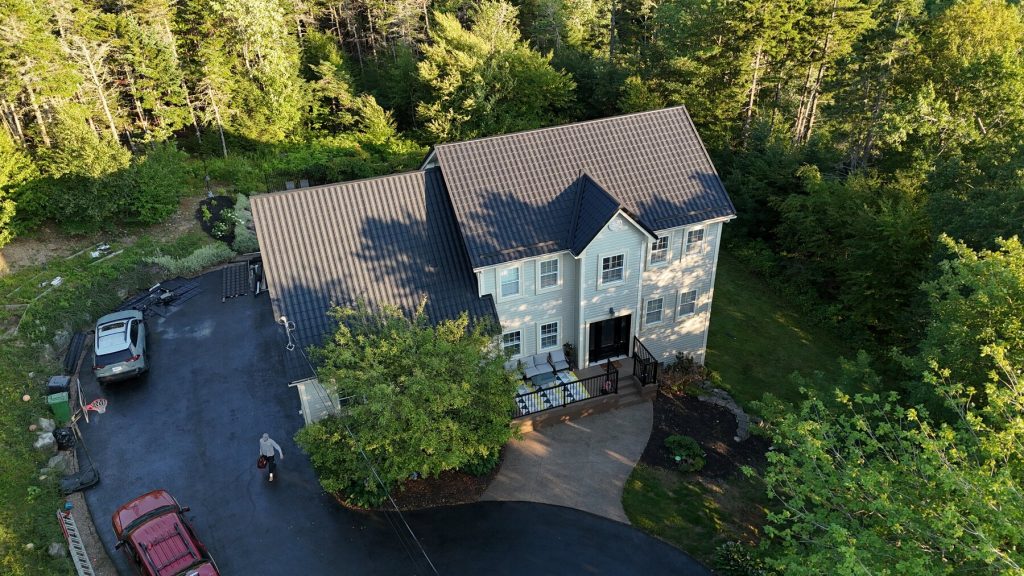
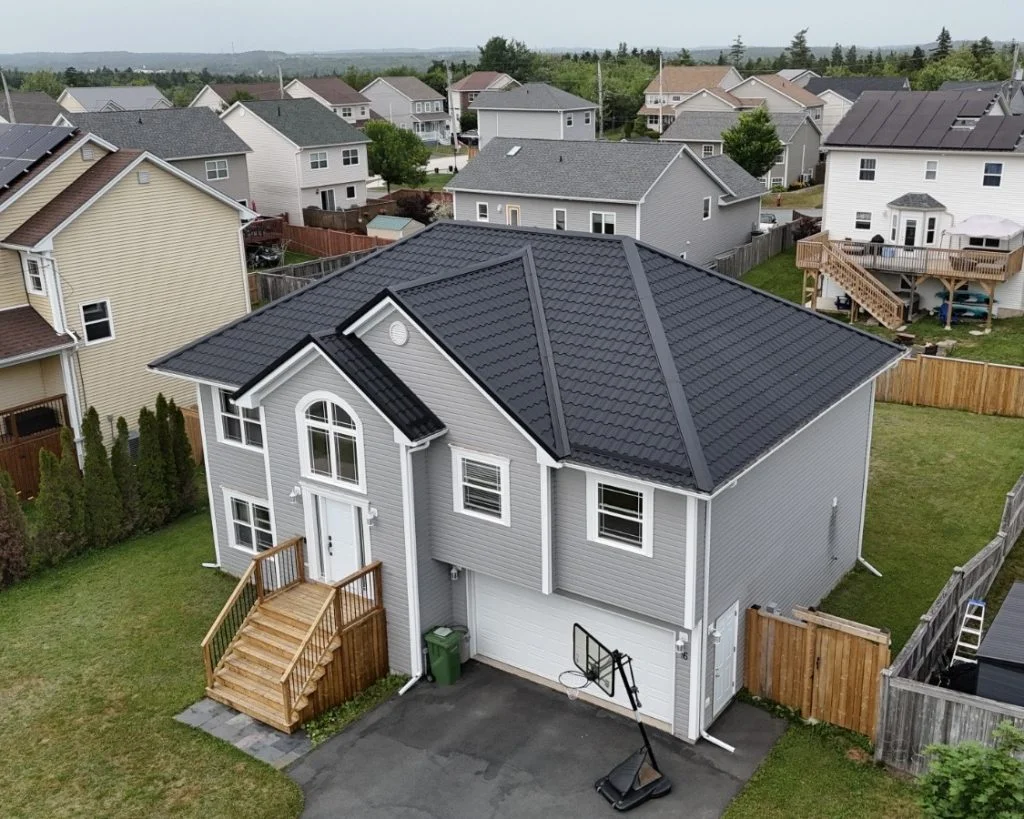
Either way, the parts that decide how a roof does in winter are the same: a waterproof membrane at the eaves and valleys, careful flashing at walls and chimneys, and a well-ventilated attic.
Frequently asked questions
Will a metal roof make my house colder in winter?
No. Your home’s warmth is held by the attic insulation, not the roofing. A metal roof with proper underlayment and a ventilated attic keeps the house just as warm — and helps keep heat in the attic from melting snow on the roof.
Do I need to clear snow off a metal roof?
Usually not — metal sheds snow on its own. Never climb onto a snowy or icy metal roof. If snow drifts build up on a low-slope section or over a lower roof, call a professional.
Is a metal roof loud in winter storms?
Installed over a solid deck and underlayment, a metal roof is about as quiet as other roofing in rain and sleet. The noise people remember usually comes from barns and sheds with metal fastened to open framing.
Can a metal roof handle Nova Scotia snow?
Yes. Roofs are designed to the building code for local snow loads, and metal roofing is light, so it adds little weight of its own. Because it sheds snow, it often carries less snow than other roofs through the winter.
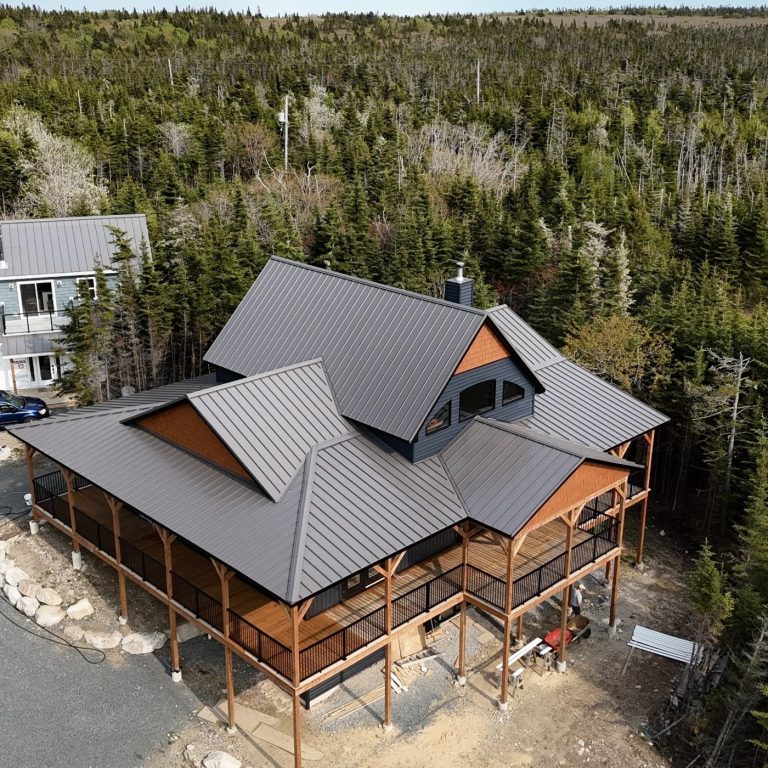
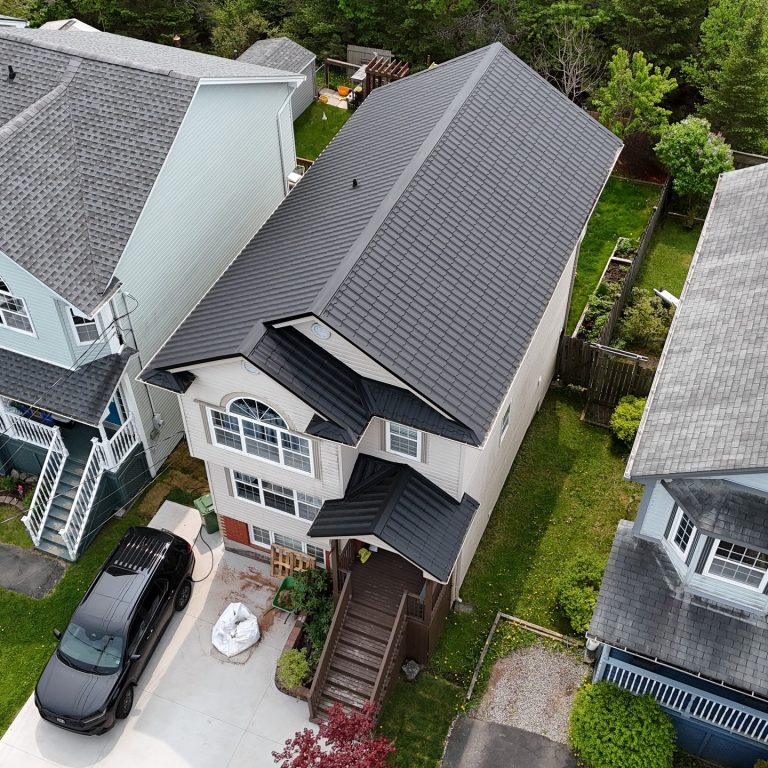
Metal roofs we install across Nova Scotia
Worried About Your Roof This Winter?
Get a price for a new metal roof in a couple of minutes, or send us a few photos and we’ll tell you what we see. No pressure, no obligation.
Calculate Your Roof Cost or call 902-400-3039Sources: WeatherSpark — Halifax climate · NRC — National Building Code, eave protection (intent) · Interlock — Metal roofs and ice dams · Metal Roofing Alliance — Snow & ice · DECRA — Winter metal roofing myths.
This article gives general guidance for Nova Scotia homeowners. Every roof and attic is different — the right fix for your home is confirmed at an on-site inspection.